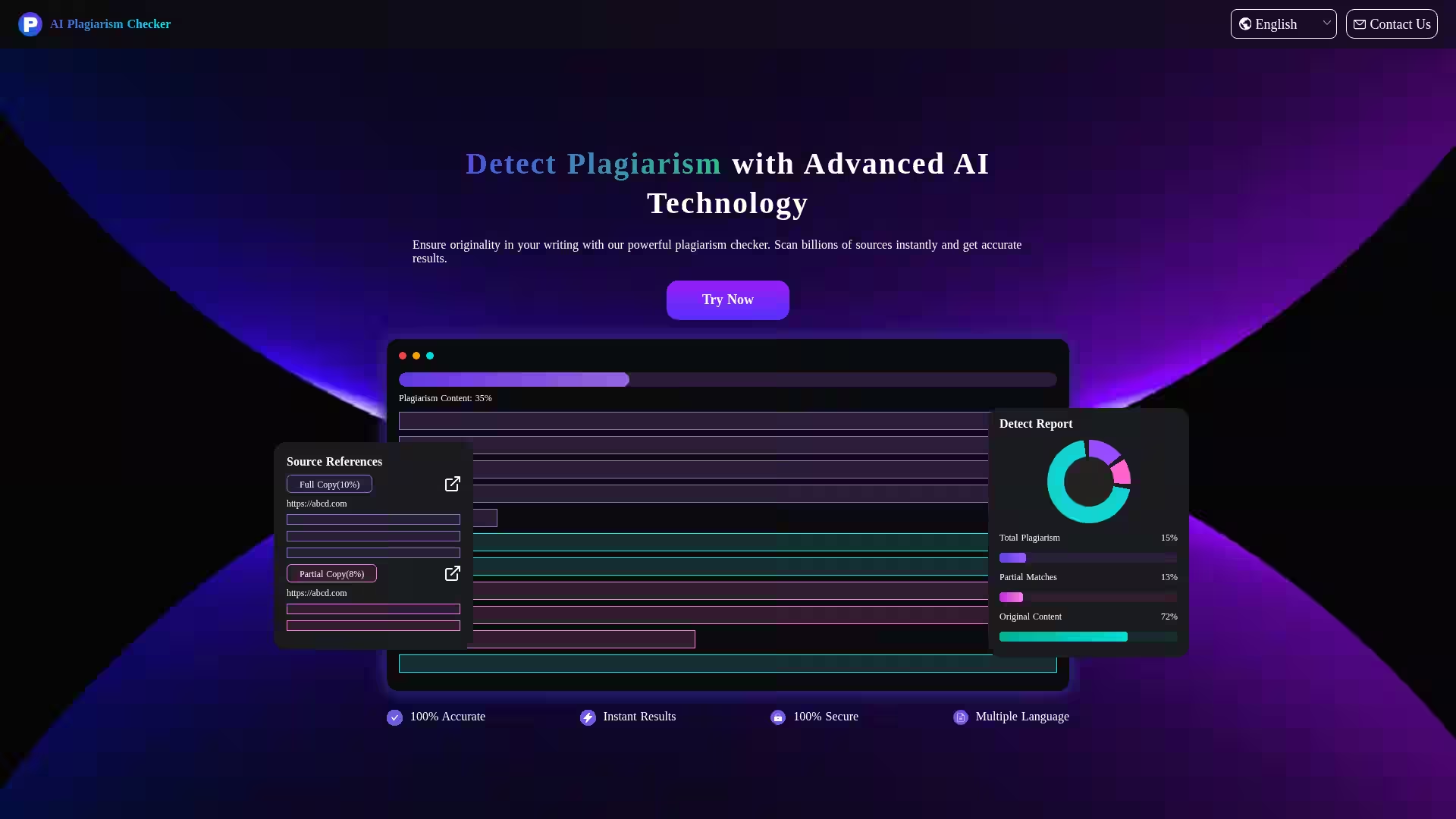
AIPlagiarismChecker is a powerful and completely free online plagiarism detection tool designed to ensure the originality of your academic papers, theses, essays, research, and web content. Utilizing advanced AI-driven semantic analysis, this tool compares your text against billions of online sources, journals, and databases to detect exact matches, paraphrased content, and subtle rewording. It provides fast, reliable, and highly accurate plagiarism reports within seconds, supporting multiple languages and various file formats, including text, PDF, and Word documents. With encryption protocols safeguarding user data, AIPlagiarismChecker guarantees privacy and intellectual property protection by never storing your content.
Key Features
AI-Powered Semantic Analysis: Detects plagiarism beyond direct matches by understanding the context, enabling identification of paraphrased or reworded content often missed by traditional checkers.
Multi-Format Support: Seamlessly check plagiarism in text inputs, PDFs, Word files, and more without the need for manual file conversion.
Extensive Database Coverage: Scans billions of sources, including academic journals, online publications, and web pages, providing comprehensive similarity detection.
High Accuracy & Speed: Achieves over 98% detection accuracy with an average processing time of just 2 seconds per page.
Large Text Capacity: Supports plagiarism scanning of up to 20,000 words per submission, well-suited for theses and lengthy documents.
Multiple Language Support: Efficiently detects plagiarism across 8+ languages, catering to a global user base.
Secure & Private: User content is encrypted, never saved or shared, and automatically deleted after checks, ensuring absolute confidentiality.
Detailed Similarity Reports: Provides clear, percentage-based similarity scores with source references and credibility indicators to prioritize revisions.
Free to Use with No Ads: Full-featured plagiarism detection without cost or disruptive advertisements.
Students & Graduates: Check theses, essays, and dissertations to ensure originality before submission, reducing risks of plagiarism-related rejection.
Academic Researchers: Verify research papers for duplication or inadvertent plagiarism, maintaining integrity and credibility in publications.
Teachers & Educators: Quickly evaluate assignments and papers, enhancing grading efficiency while upholding academic honesty standards.
Bloggers & Content Writers: Safeguard original online content from duplication, and receive suggestions on plagiarism removal for improved SEO and reputation.
Editors & Publishers: Confirm manuscript originality for academic journals, books, reports, and code, supporting trustworthy publication practices.
Research Institutions: Preserve reputation by scanning research outputs in multiple languages to detect duplicate publishing or plagiarized material.
FAQ
What is a plagiarism checker?
An AI plagiarism checker scans your text against databases, journals, and web sources to identify duplicate content and confirm originality.
Why should I use a plagiarism detector?
It helps prevent unintentional plagiarism by identifying similarities in your work, enabling you to revise and properly cite sources.
Can it handle large documents?
Yes, it can scan up to 200,000 words in a single check, making it ideal for large theses and dissertations.
Is AIPlagiarismChecker suitable for journal submissions?
Absolutely. Ensuring your paper is free from duplication minimizes rejection risk and strengthens publication prospects.
How accurate is AIPlagiarismChecker?
Using advanced AI semantic algorithms, it detects exact matches, paraphrasing, and subtle rewordings with over 98% accuracy.
Is the service really free?
Yes, AIPlagiarismChecker is completely free to use with no hidden costs or ads.
How do I pass plagiarism checks?
Scan your document, review and revise flagged sections, and cite your sources correctly to maintain originality.
With AIPlagiarismChecker, you gain a trusted, fast, and secure plagiarism detection partner to confidently submit original work and uphold academic and content integrity.